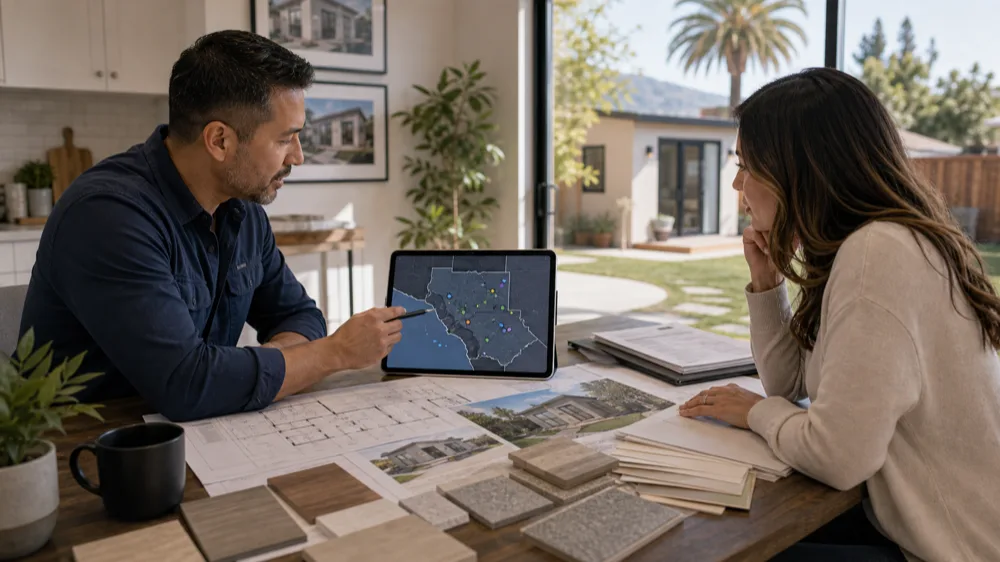
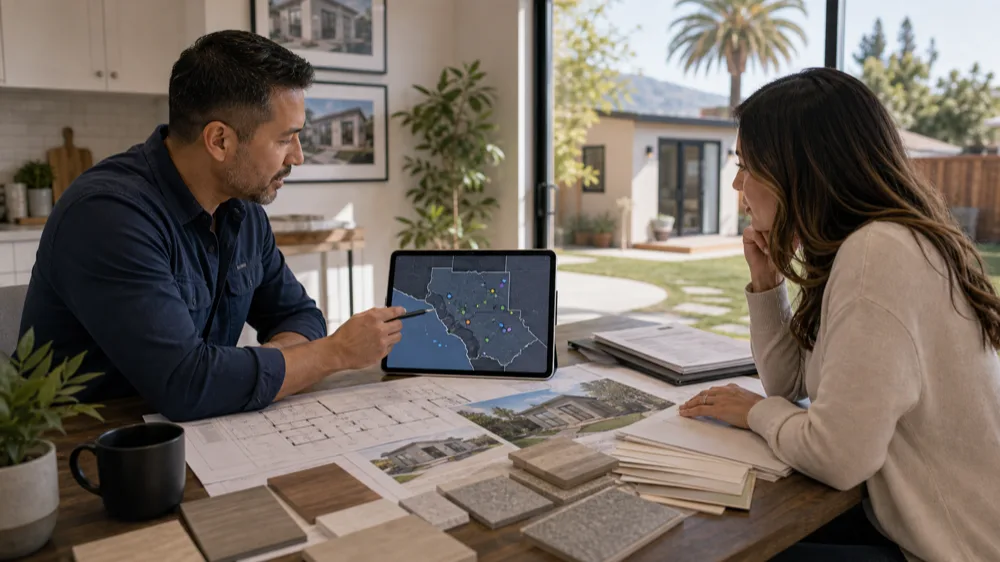
Home improvement buyers research before they ask for estimates
A homeowner may start with an ADU article, then compare addition costs, look at backyard structure ideas, research permitting, and only later contact a contractor. Treating every homeowner as the same lead throws away the useful context.
California’s Department of Housing and Community Development maintains official accessory dwelling unit guidance because ADUs are shaped by state rules, local implementation, and practical planning details. That is exactly why early research matters for contractors: many homeowners need education before they are ready for a quote.
 Useful segmentation helps separate project type, planning stage, and message fit.
Match the campaign to the project stage
An ADU feasibility audience should not receive the same message as a homeowner researching patio builds or kitchen remodeling. The signal should shape the offer:
- ADU permit research can lead with feasibility, timeline, and planning guidance.
- Home addition research can lead with expanding living space without moving.
- Remodel research can lead with project planning, design priorities, and estimate readiness.
- Property value research can lead with long-term flexibility, rental potential, and investment framing.
Turn local intent into estimate conversations
Audience intelligence is most useful when it becomes a workflow: choose the service area, separate the project segments, match each segment to one useful offer, verify contact data, and follow up while the homeowner’s research is still recent.
 Signals become useful when they connect to a specific project, audience, offer, and follow-up path.